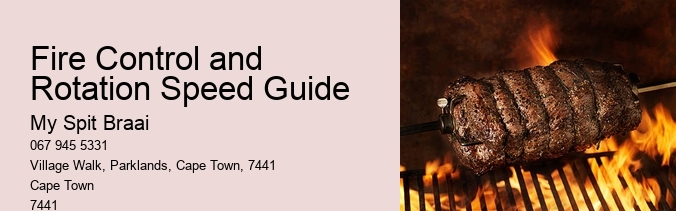
Optimizing Fire Control for Even Cooking in Spit Braai
Optimizing Fire Control for Even Cooking in Spit Braai: A Guide to Fire Control and Rotation Speed
The culinary art of spit braai, a beloved tradition in many cultures known for its ability to bring out rich flavors and tender textures in meat, hinges significantly on two critical factors: fire control and rotation speed. Achieving that perfectly cooked, evenly browned roast requires not just patience and skill but also a scientific understanding of heat management and mechanical precision. This essay delves into the nuances of optimizing these elements to elevate the spit braai experience.
Firstly, fire control is paramount in spit braai cooking. The goal is to maintain a consistent heat source that can cook the meat thoroughly without charring it. Wood choice plays a crucial role here; hardwoods like oak, hickory, or mesquite are preferred for their long-burning properties and the subtle flavors they impart to the meat. The arrangement of the coals is equally important. Experienced chefs recommend setting up a gradient or tiered fire bed - intense heat on one end tapering down to medium or low heat on the other. This setup allows for different cooking zones, accommodating various cuts of meat simultaneously or managing different stages of cooking for one large piece.
Moreover, mastering fire control involves understanding air flow. Oxygen feeds flames, so controlling the air flow with vents can increase or decrease the cooking temperature. This is where skillful attention becomes necessary; too much air might cause flare-ups and burn the meat, while too little might extinguish the coals prematurely.
Rotation speed complements fire control by ensuring even exposure of all parts of the meat to heat sources. The rotation should be steady but slow - typically one revolution per minute is effective - allowing each section of the meat ample time near the heat for even cooking without overexposure that could lead to drying out or burning.
Adjusting rotation speed can also account for variables such as wind direction and intensity which might affect how quickly certain parts are cooking compared to others. In some advanced setups, automatic rotisseries adjust speeds based on internal temperature sensors within the meat, ensuring optimal cooking throughout.
Furthermore, basting plays an integral role when combined with rotation speed adjustments. Basting not only adds flavor but helps in regulating temperature at the surface of the meat, preventing it from becoming too dry while encouraging caramelization and a delicious crust formation.
In conclusion, mastering fire control and managing rotation speed are essential skills for any aspiring spit braai chef. These techniques are not just about sticking to tradition but about embracing a scientific approach that considers type of wood used, coal arrangement, air flow management along with precise mechanical movements provided by controlled rotisserie speeds. Perfecting these aspects ensures not merely an edible result but a gastronomic delight that showcases both technique and cultural heritage beautifully rendered through each succulent piece served.
Techniques to Adjust Rotation Speed for Different Meats
When cooking different types of meat over an open flame, the control of fire and adjustment of rotation speed are crucial techniques to master. These methods not only influence the flavor and texture of the meat but also ensure safety and efficiency during cooking.
The first step in mastering these skills is understanding the type of meat youre dealing with. Different meats require different temperatures and cooking times. For example, poultry needs to be cooked thoroughly to a safe internal temperature to avoid health risks like salmonella, whereas beef can be served at varying degrees from rare to well-done based on personal preference.
Once youve identified your meat type, adjusting the fire is your next step. Hardwoods like oak or hickory are ideal for grilling as they burn hotter and longer than softwoods. The heat intensity can be managed by controlling the amount of wood used and the airflow within the grill or pit. For meats that need slow cooking, such as pork shoulders or briskets, a lower temperature maintained over a longer period is ideal. This can be achieved by spreading out coals or maintaining a small, steady flame.
Rotation speed plays a pivotal role in cooking meat evenly without burning it. When using rotisserie setups or manual turning over an open flame, how quickly and often you rotate the meat will affect its cooking consistency and outer crust formation. For thicker cuts like whole chickens or large roasts, a slower rotation allows the outside to caramelize nicely without leaving the inside undercooked. In contrast, thinner cuts such as steaks or fish might benefit from quicker rotations to prevent them from drying out or getting overly charred.
Implementing gear systems or adjustable motor speeds can aid in managing rotation effectively. A manual approach involves regularly monitoring and adjusting based on visual cues and measured internal temperatures using a food thermometer.
In conclusion, mastering fire control and rotation speeds requires a blend of science and art - understanding both the physical properties of heat and combustion as well as culinary insights specific to various meats ensures delicious results every time you cook over an open flame.
Troubleshooting Common Issues with Fire Control and Rotation in Spit Braai Catering
In the dynamic world of spit braai catering, mastering fire control and achieving the perfect rotation speed are pivotal for ensuring deliciously roasted meats that are juicy inside with a perfectly crisped exterior. Both elements require finesse and understanding, as they can significantly influence the outcome of your cooking. Here, we delve into some common issues faced in these areas and provide strategic insights to troubleshoot them effectively.
Understanding Fire Control
Fire control is essentially about managing the heat source to ensure consistent cooking temperatures throughout the roasting process. The primary fuel source in spit braai is usually wood or charcoal, each imparting its distinct flavor but also presenting unique challenges in heat management.
Common Issue: Fluctuating Temperatures
One frequent issue with fire control is maintaining steady temperatures. If the fire is too hot, it risks charring the meat on the outside before its cooked internally. Conversely, if its too cool, the meat might be undercooked or lack that desirable roasted texture.
Troubleshooting Tips:
- Use a Thermometer: Always keep a thermometer handy to monitor the core temperature of your meat and the ambient temperature around your cooking area.
- Control Air Flow: Adjust air vents to increase or decrease oxygen flow which directly affects how fiercely your fire burns.
- Choose Appropriate Fuel: Hardwoods like oak or hickory are preferable for longer burning times and consistent heat.
Mastering Rotation Speed
The rotation speed of your spit plays a crucial role in achieving an even cook on all sides of your meat. It's about finding that sweet spot where every turn exposes different facets of the meat to heat at an interval that promotes thorough cooking without burning.
Common Issue: Uneven Cooking
Often, caterers might find one side of their roast darker than others or certain parts less cooked. This unevenness can typically be attributed to incorrect rotation speeds or irregular basting.
Troubleshooting Tips:
- Adjust Speed According to Heat: If you notice quicker browning on one side, adjust the speed of rotation slightly faster to avoid burns. Alternatively, slow down if you observe undercooking.
- Regular Basting: Keep basting at intervals to ensure moisture and fat evenly distribute over the meat, aiding in uniform cooking and adding flavor.
- Balance Load: Ensure that your spit is balanced properly; an unbalanced load can lead to inconsistent rotation and uneven cooking.
Integrating Solutions
Integrating solutions for optimal fire control and rotation requires practice and attention to detail. Establishing a routine check during events will help you manage these aspects efficiently:
- Start by setting up your equipment correctly from scratch – ensure stability in setup.
- Regularly inspect fuel supply (wood/charcoal) and maintain it according to need.
- Use technology such as digital thermometers for real-time monitoring.
- Train staff on quick adjustments required for both temperature fluctuations and rotational speeds based on observations.
By following these guidelines, caterers can better handle common issues encountered during spit braai catering regarding fire control and rotation speeds. Effective troubleshooting not only enhances food quality but also boosts overall operational efficiency during events - ultimately leading to satisfied clients craving more of those perfectly roasted delights!
Advanced Tools and Equipment for Perfect Fire Management and Meat Rotation
In the realm of culinary arts, particularly where grilling or barbecuing is involved, the mastery of fire management and meat rotation stands as a cornerstone for achieving perfectly cooked meats. Harnessing modern advancements in tools and equipment can exponentially enhance the efficiency and effectiveness of these processes. This essay delves into some advanced tools and strategies essential for impeccable fire control and optimal rotation speed, essential elements in mastering the art of grilling.
Fire management is an art that requires precision and constant adjustment. Traditional methods often leave much to human error, but with technological advancements, digital temperature controls have become indispensable. One such innovation is the integration of Bluetooth-enabled thermometers. These devices allow chefs to monitor grill temperatures remotely, ensuring that the cooking environment remains stable without requiring constant manual oversight. This not only conserves energy but also enables a consistent cooking temperature that is crucial for perfect meat texture and flavor.
Another significant advancement in this field is the automatic temperature controller equipped with variable speed fans. These controllers attach to grills or smokers and adjust airflow automatically to maintain desired cooking temperatures. By eliminating fluctuations commonly associated with manual damper adjustments, these tools promote an even cooking environment, reducing hotspots that could lead to unevenly cooked meat.
Rotation speed and timing are equally pivotal for well-cooked meat. To address this aspect, automated rotisserie attachments provide a significant advantage. These motorized units ensure that meat rotates at a consistent speed, promoting an even exposure to heat which results in uniform cooking. The ability to set rotation speeds according to the type of meat and its size enhances flexibility while minimizing guesswork.
Moreover, high-quality grill baskets have revolutionized how smaller items like vegetables or smaller cuts of meat are managed on a grill. Equipped with easy-to-use handles and non-stick surfaces, these baskets simplify rotation tasks by allowing chefs to flip multiple items simultaneously ensuring each piece receives equal attention during the cooking process.
Software solutions should not be overlooked as part of advanced tools for fire management and meat rotation. Modern apps integrate with grilling equipment to offer user-friendly interfaces where parameters can be set based on the type of food being prepared. These apps can alert when its time to rotate meat or adjust the fire level, making them invaluable aids for both novice cooks and seasoned chefs alike.
In conclusion, embracing advanced tools and equipment signifies stepping into a future where precision leads culinary practices especially in fire management and meat rotation during grilling sessions. As technology continues to evolve, it promises not only convenience but also elevated culinary standards that were once challenging to achieve consistently by traditional methods alone.